
When a Central Kitchen Makes Financial Sense for a Restaurant Business

A central kitchen makes sense when moving production out of the outlets improves the business enough to cover the additional premises and operating costs. The calculation should begin with what can actually be consolidated and how much food the operation needs to produce.
SingStat's 5 October release gives that discussion a timely backdrop. In August 2026, overall F&B sales fell 1.6% year on year, restaurant sales declined 2.1% and food caterers' sales grew 2.9%. Those are sector sales figures, and they do not establish the profitability of an individual business or a particular production model.
For an operator considering a central kitchen in Singapore, the next step is to examine the operation's own numbers. A separate production site can improve consistency and capacity, but it also adds a recurring bill.
Identify work that can genuinely move
Start with the menu and the preparation schedule. Sauces, stocks and other repeatable production may be suitable for central preparation if the process supports food quality and safety. Some dishes still need substantial finishing at the outlet, and the customer experience may depend on preparation there.
I would list what each outlet currently produces, the equipment used and the staff hours involved. Then ask what would disappear from the outlet budget after consolidation. If the same kitchen team and premises remain necessary, the apparent saving may be much smaller than expected.

An operator may still value the added production capacity, especially where a confirmed catering or supply business needs it. The intended benefit should be stated clearly enough to measure, rather than assuming every new kitchen will make the group more efficient. When I described the central kitchen as the control room of an F&B brand, consistency was the main argument. Consistency still has to be paid for.
Include the entire production and delivery bill
The central kitchen budget needs rent or ownership costs, labour, utilities and maintenance. Add transport, packaging, storage and the equipment required to keep the production and delivery process workable. Any savings at the outlets should be compared with all of those costs.
Consider an illustrative operation forecasting S$28,000 in monthly savings across its outlets. If the production site and delivery arrangements add S$20,000 a month, the net saving is S$8,000. A S$200,000 fit-out and equipment investment would then have a simple payback of 25 months, before financing, taxes and changes in trading volume.
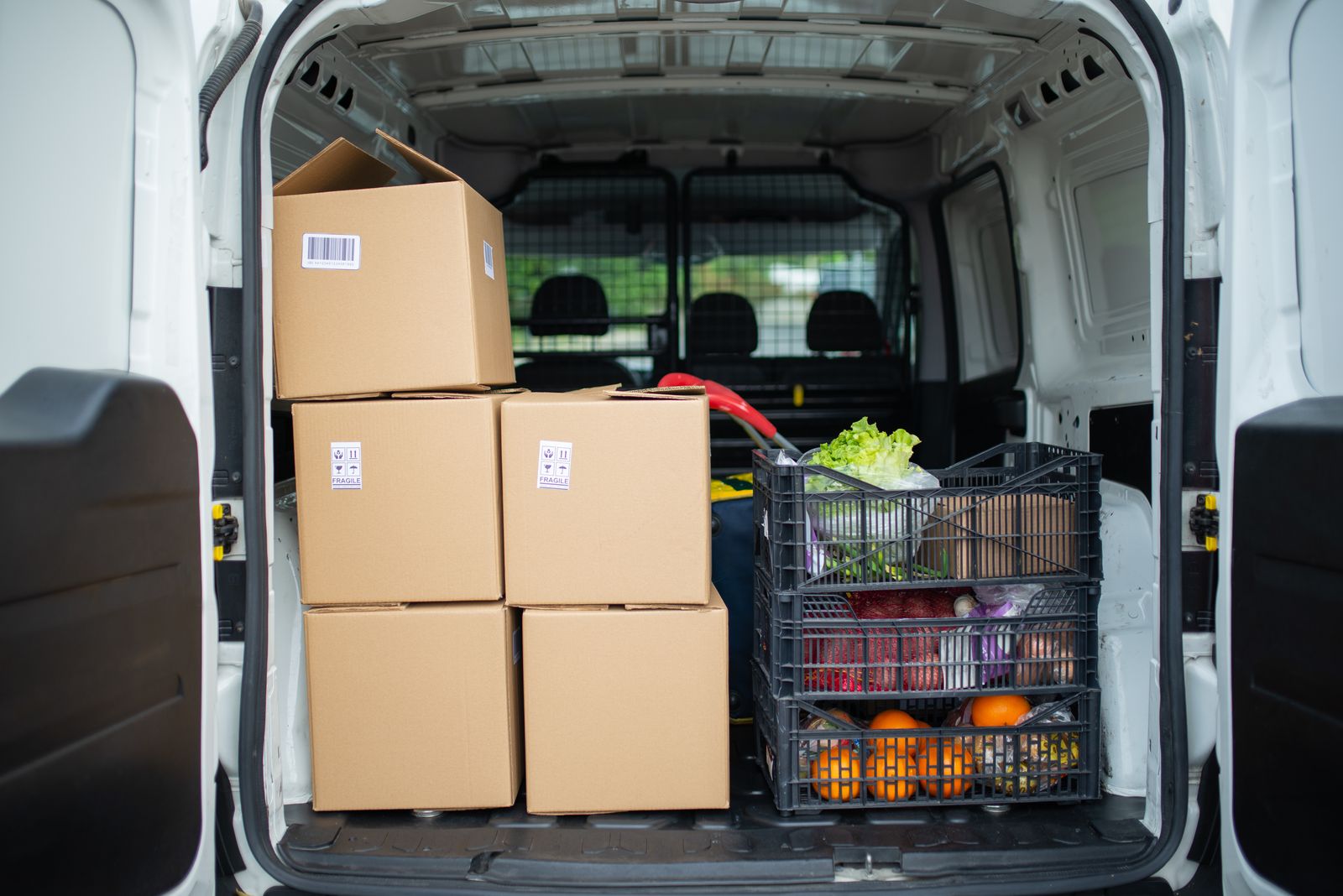
If the outlet savings reach only S$18,000, the same arrangement adds S$2,000 a month to costs. Testing a lower-volume case helps establish how much demand the business needs before committing to the site.
Choose premises around the production plan
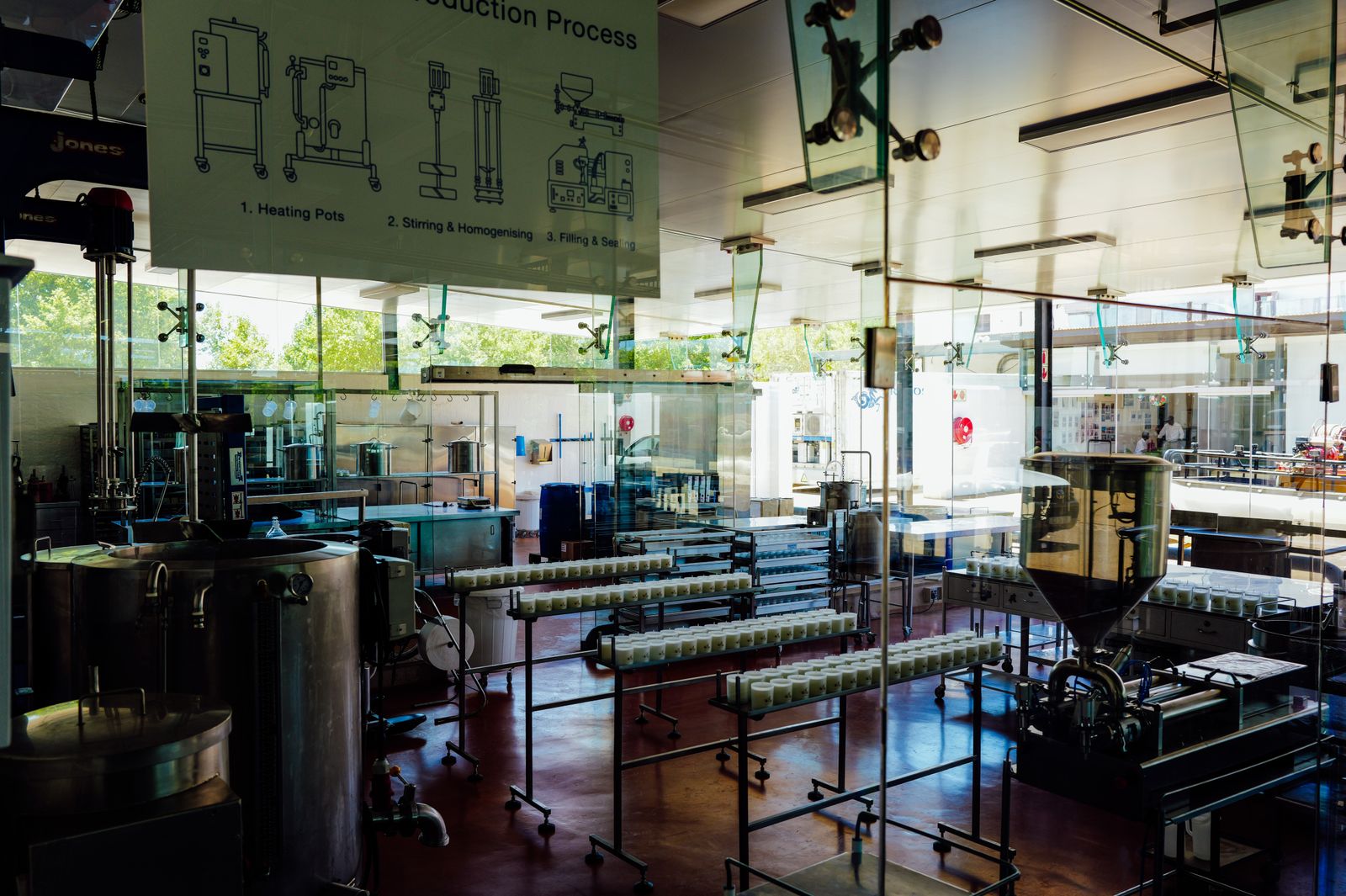
The property search should follow the workflow. Plan receiving, preparation, cooking, packing and dispatch, with adequate storage and separation appropriate to the operation. The required floor area becomes clearer once that process has been drawn.
Before committing, check the intended use and licensing position. SFA's food manufacturing and storage guidance lists central kitchens among the food processing establishments that must be licensed. The operation and proposed premises should be reviewed against the relevant licence requirements, with compliance advice where the setup is unusual, before fit-out spending begins.
Technical details deserve a site-specific check: available power, exhaust arrangements, drainage and the suitability of loading access for the vehicles being used. A low rental rate can become poor value if the premises need costly modifications or an inefficient delivery routine. My 12-point checklist for buying a strata food factory unit goes through those checks in more detail.
Tenure and the required capital expenditure should also be considered together. My article on the premium for freehold food factories looks at that ownership question. A longer holding horizon is useful only when the capital commitment fits the business.
If you are exploring central kitchen or food factory premises, bring the production plan and outlet cost schedule to the first viewing. They help establish the space you need and the occupancy cost it can support. Once those numbers work under realistic volumes, the property decision becomes far clearer.
Sources
Cover photo: a commercial kitchen, shown for illustration. Photo: Pexels.


Comments