The Central Kitchen Is Not Just a Kitchen. It Is the Control Room of an F&B Brand.


Every F&B brand reaches a point where growth becomes uncomfortable. The first outlet works because the founder is there. The recipes are watched closely. The staff know what to do. The quality is familiar. The mistakes are contained. Then the second outlet opens. Then the third. Then catering enquiries come in. Then delivery orders increase. Suddenly, the business is no longer just selling food. It is managing production.
This is when the central kitchen becomes important — not because it sounds impressive, but because it gives the business control.
The Problem With Outlet-Based Production
When every outlet prepares too much on site, quality varies. Staff training becomes harder. Ingredient usage becomes inconsistent. Wastage increases. Storage becomes messy. Peak-hour pressure rises. The founder spends more time fixing problems than growing the brand. A central kitchen changes the structure: it centralises key preparation work, improves consistency, standardises processes, supports bulk purchasing, reduces duplication, and frees each outlet to focus on service, finishing and customer experience.
The Hidden Value of Consistency
Customers may not notice the central kitchen, but they notice inconsistency. They notice when the sauce tastes different. They notice when the portion changes. They notice when one outlet is better than another. In F&B, inconsistency weakens trust — and lost trust is far harder to recover than any production inefficiency. A well-planned production base helps protect that trust. This is why a central kitchen is not just a cost centre. It is part of the brand's quality control system.
Why the Property Matters
Not every industrial unit makes a good central kitchen. Food production needs the right zoning, layout, power supply, drainage, loading access, storage, waste handling and approval pathway. It also needs to support the movement of ingredients, staff, equipment and finished goods efficiently. A purpose-built food facility is therefore not only about square footage. Its value lies in whether it can support the operational rhythm of food businesses: receiving, preparation, cooking, packing, storage, dispatch and expansion.
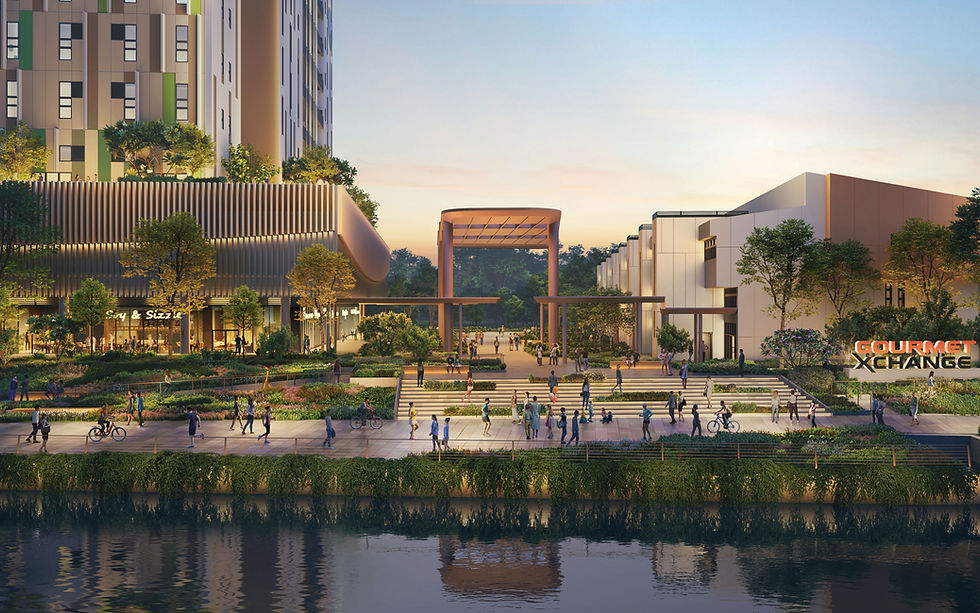
For investors, this also matters. A tenant using a unit as the operational control room of its business is not making a casual decision. Moving a central kitchen is disruptive, expensive and risky. Once the unit becomes embedded in the tenant's production system, the space becomes strategically sticky. Gourmet Xchange is designed to support exactly this kind of embedded, production-critical tenancy. Contact us to understand how its infrastructure can support the control room your F&B brand needs.


Comments