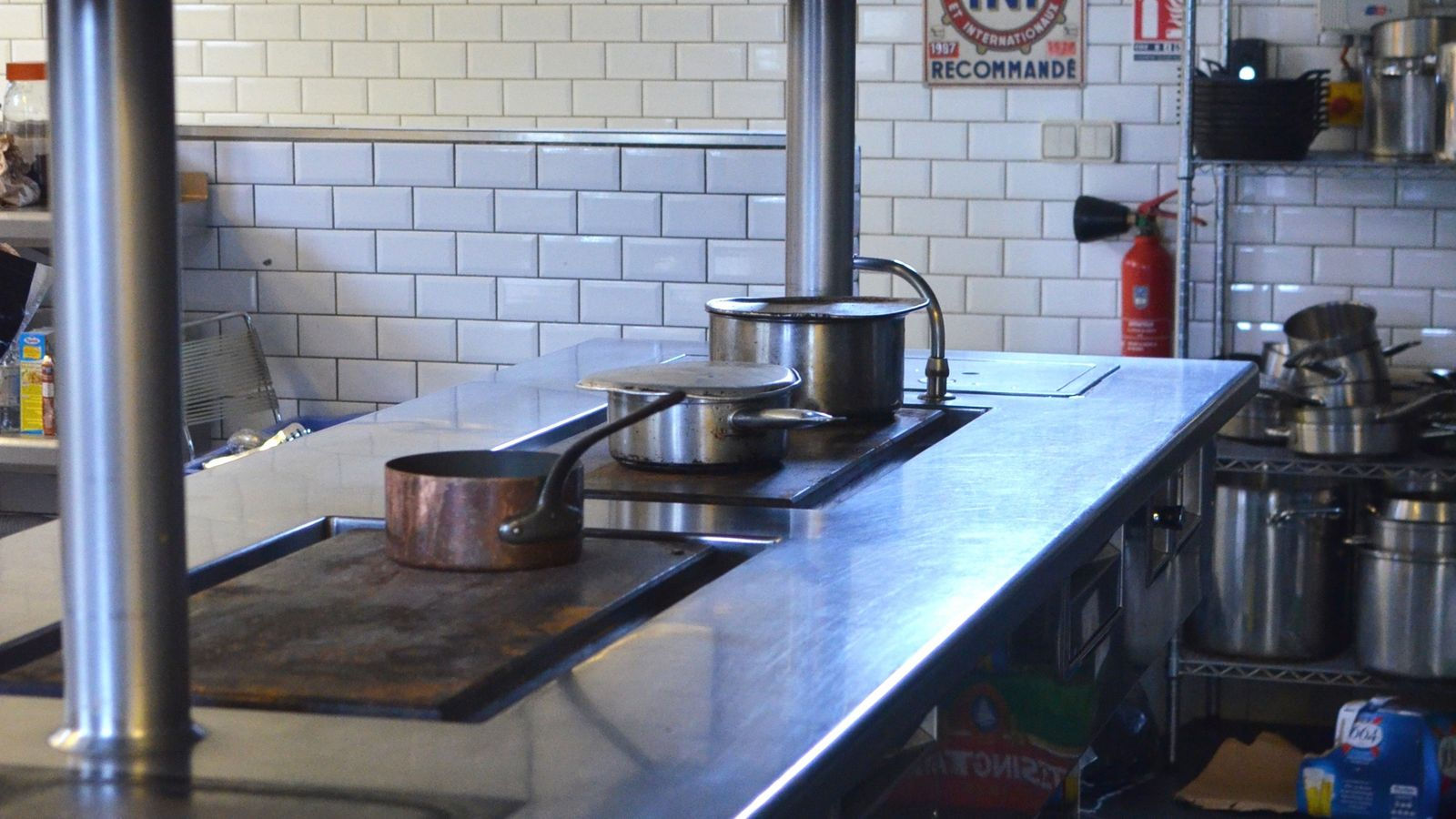
Freehold Food Factories Cost More. When Is the Premium Worth Paying?

Freehold is an attractive word when the property underneath it contains an expensive production kitchen.
Food operators sink money into equipment, workflow and approvals that cannot easily be moved. A long-term base is therefore worth more to them than it would be to a business that could relocate with a few desks and laptops.
An EdgeProp analysis published on 14 August highlighted the appeal of freehold food factories and the recently completed Food Vision @ Mandai. It also cited growth of nearly 65 per cent in Singapore's non-retail food establishments, from 1,618 in 2015 to 2,667 in 2025.
That supports a case for looking closely at the sector. Whether a particular freehold unit is worth its asking price is a second conversation.
What are you buying with the extra money?
For an owner-occupier, the premium buys freedom from a land lease counting down towards expiry. It also gives a longer runway over which to plan upgrades and operate from one location.
Those benefits matter most when the business expects to stay put for many years. They are worth less to a young operator still testing its production model, or to a company whose space requirements could change sharply.
There is a financing question underneath all of this. Money committed to property equity is money that cannot simultaneously fund equipment, inventory or expansion. A business can own an excellent asset and still run short of working capital.
I would compare the full cash requirements of three routes: buying freehold, buying a suitable leasehold unit such as a strata food factory at Gourmet Xchange, and leasing. The answer often changes once fit-out, transaction costs and the first year of operations are added.
A permanent address still needs an efficient route
A food factory works as part of a distribution network. If the business supplies several outlets, the route to those outlets matters every single day.
An extra delivery journey consumes driver time, fuel and vehicle capacity. It can also slow how quickly food reaches customers. Those repeated costs can quietly outweigh a saving made elsewhere in the property decision.
Inside the building, check how receiving, storage, preparation, cooking, packing and dispatch will actually fit together. Ramp access is useful, but it does not by itself resolve lift capacity, loading arrangements or the movement of goods within the unit. Confirm the proposed production activity and the required approvals for the actual premises before you commit.
I would rather see a workable operational layout early than discover an expensive compromise after an attractive floor area has been bought.
The investor's version of the question
For a landlord, a higher purchase price needs support from sustainable rent, likely occupancy and resale demand. A freehold label will not protect income if the unit is inconvenient or too expensive for the businesses it is meant to house.
Headline price-per-square-foot comparisons across freehold and leasehold projects also need care. The buildings differ in age, location, specifications, transaction size and remaining lease. The apparent premium is rarely tenure alone.
Freehold food factories can make particular sense for established operators planning around a durable production base. The price still has to leave the business, or the investment, enough room to perform. Start with what will happen inside the factory, then decide what long ownership is worth.


Comments