
Why an Industrial Property With 10 Years Left Can Still Suit an Owner Occupier

For an owner-occupier, buying an industrial property can be a decision about the cost and continuity of running a business. The relevant comparison includes the rent the company would otherwise pay and the disruption of moving its operation.
GKE's 30 September SGX announcement provides a useful example. Its subsidiary, GKE Warehousing & Logistics, entered into an agreement with the trustee of an ESR-REIT sub-trust to acquire 30 Pioneer Road for S$32 million plus GST. The subsidiary already occupies the property as sole lessee for its logistics operations. The underlying JTC lease began on 16 February 2007 for 30 years and runs to February 2037, leaving roughly a decade.
The announcement identifies control for the remaining tenure, lower rental obligations and avoiding relocation costs as reasons for the proposed acquisition. It also notes an independent valuation of S$32 million commissioned by the financing bank, and says the group intends to fund the purchase through internal funds and bank borrowings. Completion is subject to the agreement's terms. For other industrial owner-occupiers, those reasons are worth working through with their own numbers.
Put buying beside the cost of staying a tenant
I would begin with the business's likely rent over the intended operating period. Include scheduled increases and the costs of renewing or relocating if continued occupation is uncertain. Then compare that with purchase costs, financing, maintenance and other owner obligations.
The two calculations need a consistent basis. Loan instalments affect cash flow, and the principal component builds equity by reducing debt. Economic return also needs to account for capital committed and the declining remaining tenure. A simple comparison between rent and the monthly instalment can miss important parts of the decision.
For illustration, an operation paying S$20,000 monthly rent incurs S$2.4 million over ten years if rent stays unchanged. That figure alone cannot establish what it should pay to buy. The purchase may require a large deposit, finance costs and major repairs, while rented premises may leave some of those costs with the landlord. That is why short lease industrial property in Singapore needs to be judged on the owner's own operating plan rather than on a rule of thumb.
Put a realistic figure on relocation
Moving an office and moving a fitted industrial operation are different exercises. Machinery, storage systems and production schedules can make continuity valuable. Consider the cost of dismantling equipment, preparing a replacement site and operating through the transition.
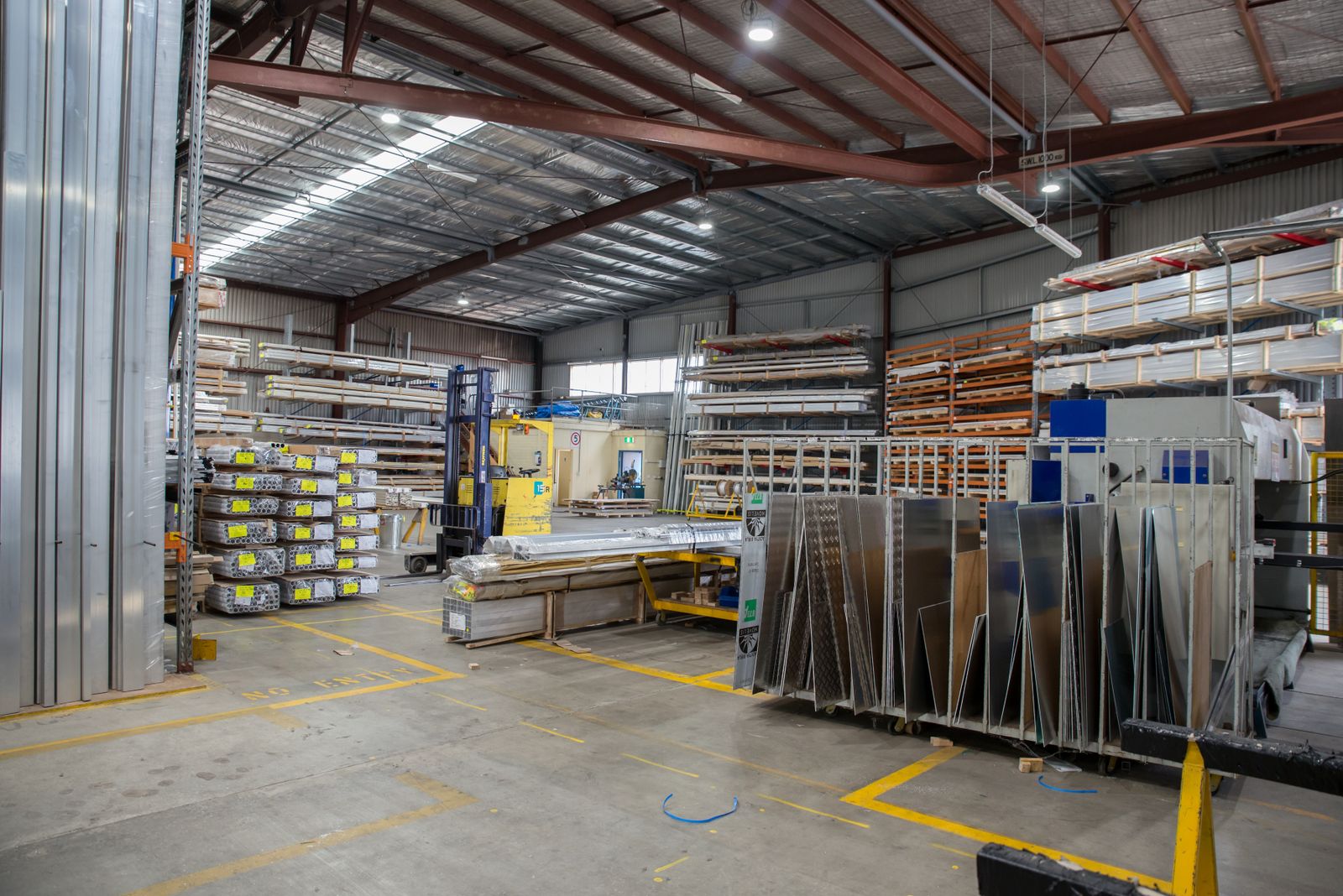
A hypothetical S$250,000 relocation cost is significant even before any interruption to revenue. It is sensible to include that exposure where a move is a realistic alternative. It would be misleading to treat avoiding it as a guaranteed saving if the current tenancy could readily continue on acceptable terms.
Ownership also brings responsibilities. I would check the condition of the building and the equipment the business will take over, including repairs that become the purchaser's problem. GKE's agreement describes an acquisition on an "as is where is" basis, making that distinction particularly relevant in this example.
Decide what happens when the land lease ends
With about ten years left, the end of the underlying tenure needs to appear plainly in the plan. An extension should be treated as uncertain unless there is an actual approved arrangement. JTC weighs a renewal against what the business plans to do, which I covered in my article on Mooreast's 20-year JTC lease extension. The business must be comfortable with the investment case supported by the tenure it is purchasing.
Bank willingness to lend, the loan period and the buyer's available capital are also essential checks. An investor hoping to sell in five years would be considering an asset with materially less tenure remaining, so the eventual buyer pool and financing position deserve attention now.
For an owner-occupier whose intended operating period fits the remaining lease, a shorter tenure may still have a commercial purpose. The price needs to support that use. My earlier article on industrial property with 31 years remaining explains the wider relationship between tenure and income.
If you are weighing buying against renting, bring the current tenancy, operating horizon and relocation requirements to the discussion. Those details help establish whether ownership serves the business, and how much capital it is reasonable to commit.
Sources
Cover photo: Jurong Industrial Estate seen from the air, 2006, shown for illustration. Photo: Calvin Teo, CC BY-SA 2.5, via Wikimedia Commons.


Comments