When Singapore Office Tenants Should Start Renewal Discussions

A business that starts looking for an office shortly before its lease ends has already given up some useful choices. Suitable space may be available, but there is less time to assess it, arrange works and negotiate while the existing premises remain a workable alternative.
JLL's 28 September office market update makes that timing more relevant. Its Singapore CBD Grade A gross effective rents rose 1.0% quarter on quarter in Q3 2026, bringing growth for the first nine months to 2.8%. JLL also said overall CBD vacancy had fallen to its tightest level in ten quarters, with limited availability of larger quality spaces.
One detail in the update stood out. JLL said large occupiers, those of 50,000 sq ft and above, are starting renewal talks 18 to 24 months before expiry, and it does not expect substantial new supply until 2028. As Dr Chua Yang Liang, JLL's head of research and advisory for Southeast Asia, put it: "The pattern emerging is a market that continues to tighten with limited new supply arriving."
These figures describe JLL's particular office market basket. They should not be applied automatically to every strata office or business address in Singapore. Your alternatives still need to be checked at building and unit level.
Read the renewal clause before discussing the rent
For a Singapore office lease renewal, the first date I would put in the diary is the deadline for exercising any contractual renewal option. Confirm the notice procedure and the basis on which the new rent is set. Leaving that review until the final weeks can complicate a decision that should have been straightforward.
Even where a renewal option exists, it is worth assessing competing premises early. That gives the business evidence for the rent discussion and a clearer understanding of the cost of staying.
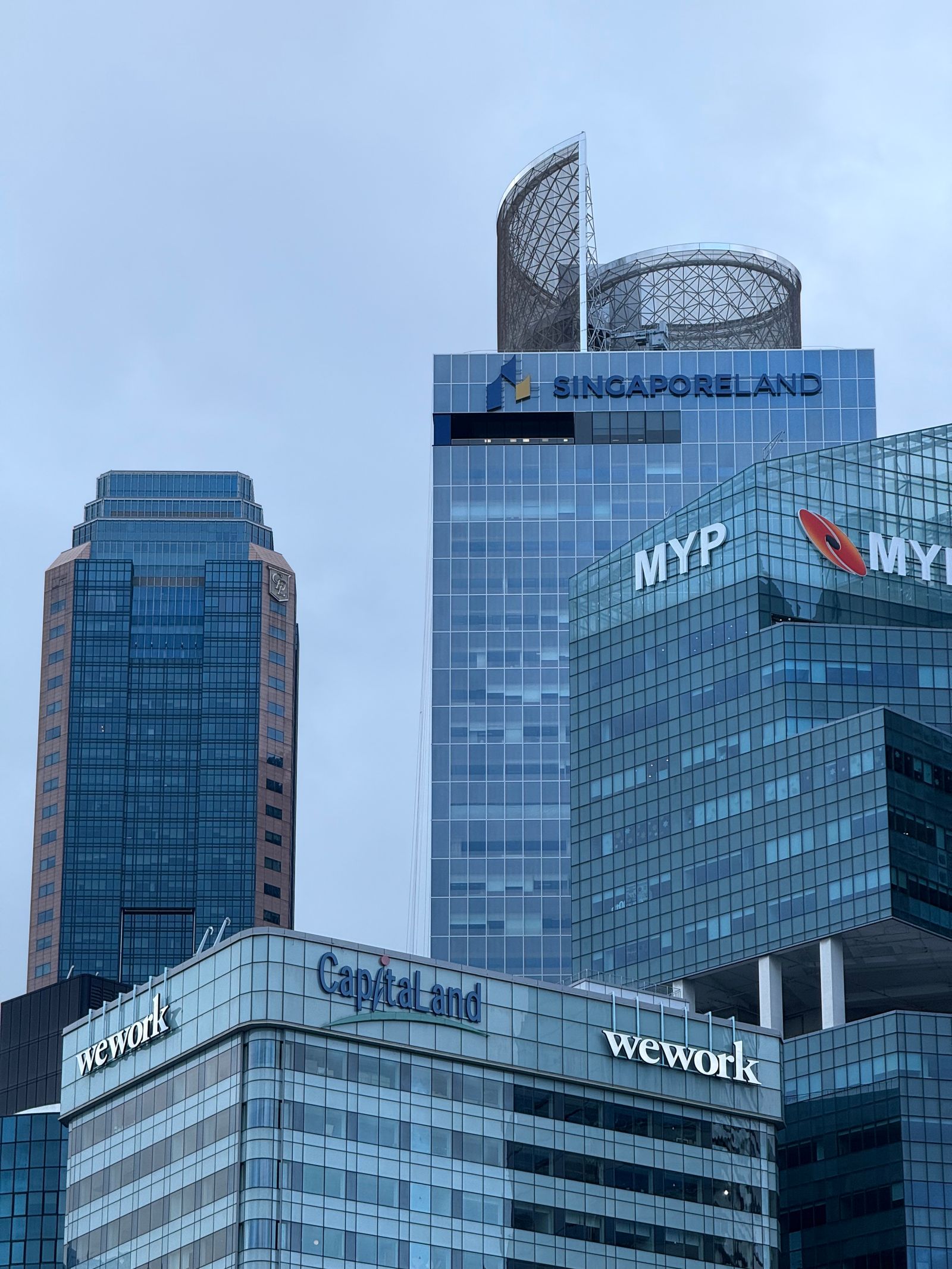
The preparation period should reflect the operation. An office requiring major fit-out works, specialist rooms or a large contiguous floor plate needs a different timetable from a small team able to occupy an existing fitted unit. I would work backwards from the required handover and moving dates, with time for delays. Large requirements are also specific requirements, a point I made when OpenAI's reported Shaw Tower talks were in the news.
Compare the full cost over the proposed term
For illustration, a S$1 psf monthly difference across a 2,000 sq ft office amounts to S$24,000 a year. Over three years, that is S$72,000 before other costs. It is a meaningful sum, although relocation can include expenditure that makes the cheaper rent less compelling.
New fit-out works, reinstatement of the old office, moving costs and overlapping occupation periods all belong in the comparison. Any rent-free concession should be assessed over the entire proposed term, together with the obligations attached to it.
I would also compare air-conditioning arrangements, after-hours charges, parking and the services needed by the team. The business should know what its actual monthly occupancy bill is likely to be, including the items beyond the quoted rent. That is the same argument I made in why the cheapest commercial unit can be the most expensive decision.
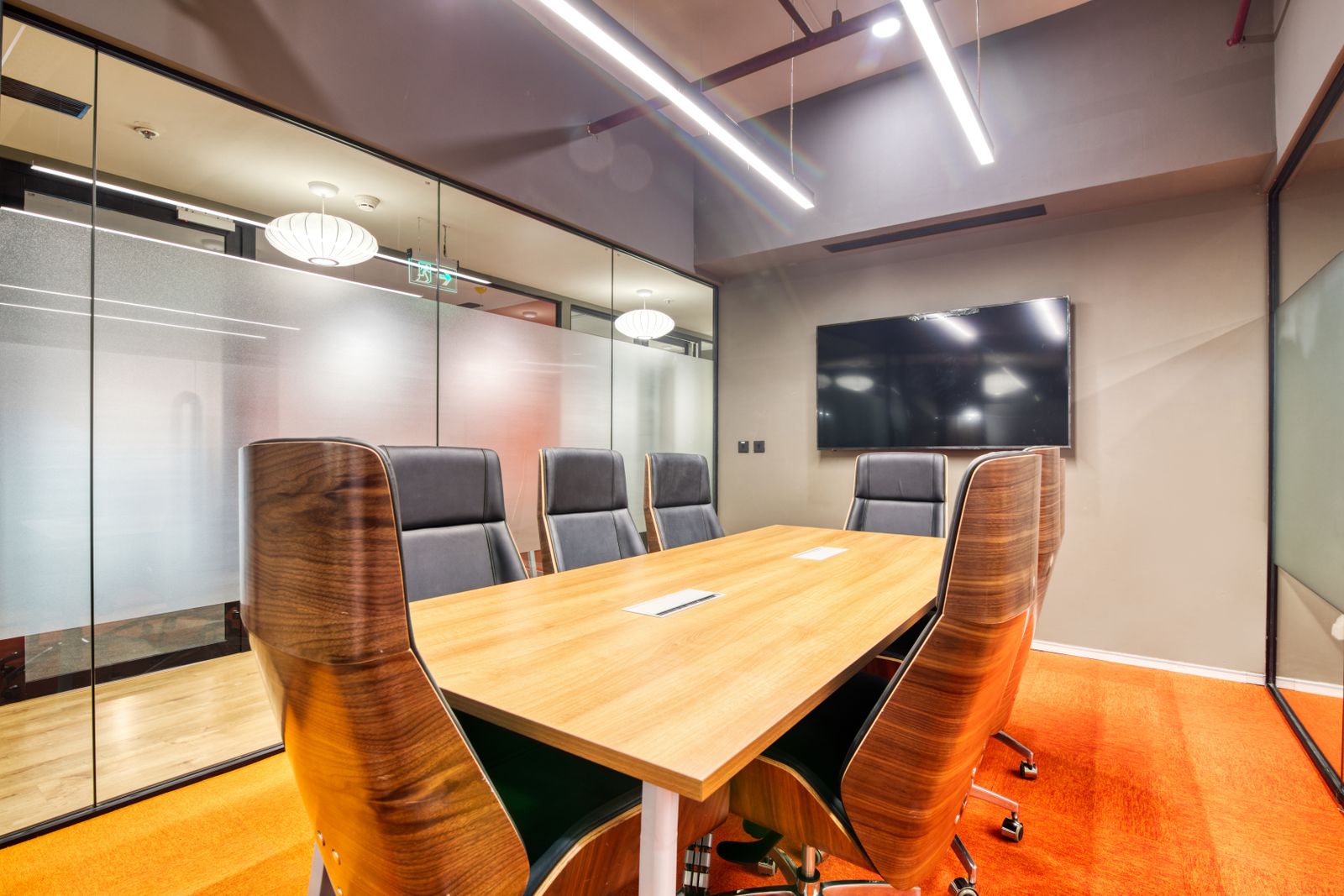
A fitted office can reduce immediate expenditure if the layout genuinely suits the incoming operation. A space that requires substantial alteration deserves a revised budget before it is described as a convenient move.
Use the move to check how much office you need
The existing floor area should not become the new requirement by habit. Count the people who use the office, the meeting rooms that are regularly occupied and the functions that need dedicated space. Then test the proposed layout against a normal busy day.
An inefficient office may be larger than necessary. Conversely, reducing space too far can leave a growing team dealing with another move before the new fit-out has paid for itself. The decision needs a realistic operating plan rather than a broad assumption about hybrid working.

For landlords, the same preparation can improve a renewal conversation. Understand the tenant's alternatives and resolve outstanding building issues before presenting a new rental figure. Strata office owners face their own version of this question, and in my piece on Grade A freehold strata office supply I looked at why quality of space, not the total amount, is what keeps an office let.
My preference is to compare renewal and relocation while both remain practical choices. The market update is a reason to prepare. The decision itself should come from the lease, the available units and the total cost your business would carry over the next term.
Sources
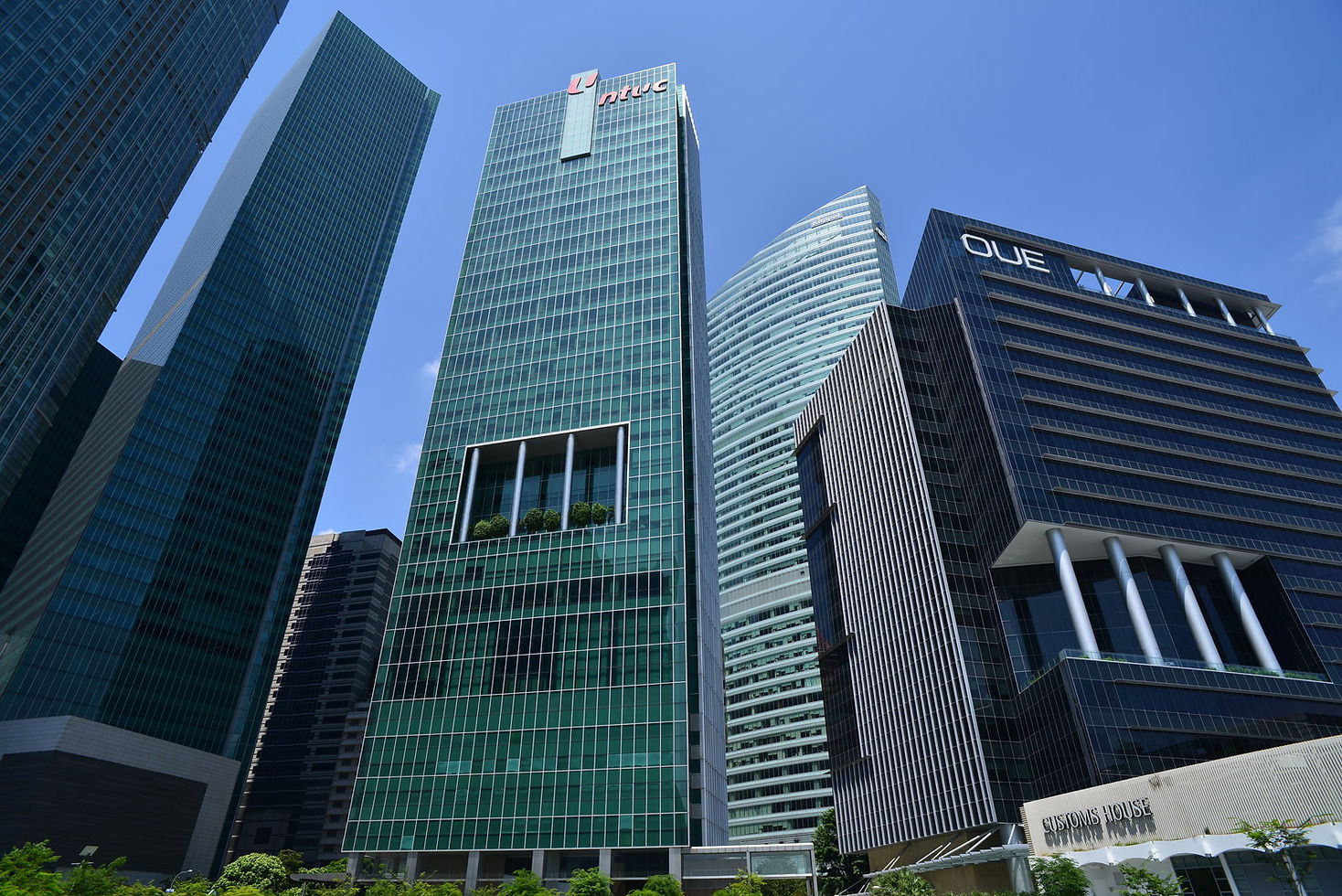
Cover photo: One Raffles Quay, One Marina Boulevard and OUE Bayfront in Singapore's CBD, by Nicolas Lannuzel, CC BY-SA 2.0, via Wikimedia Commons.


Comments