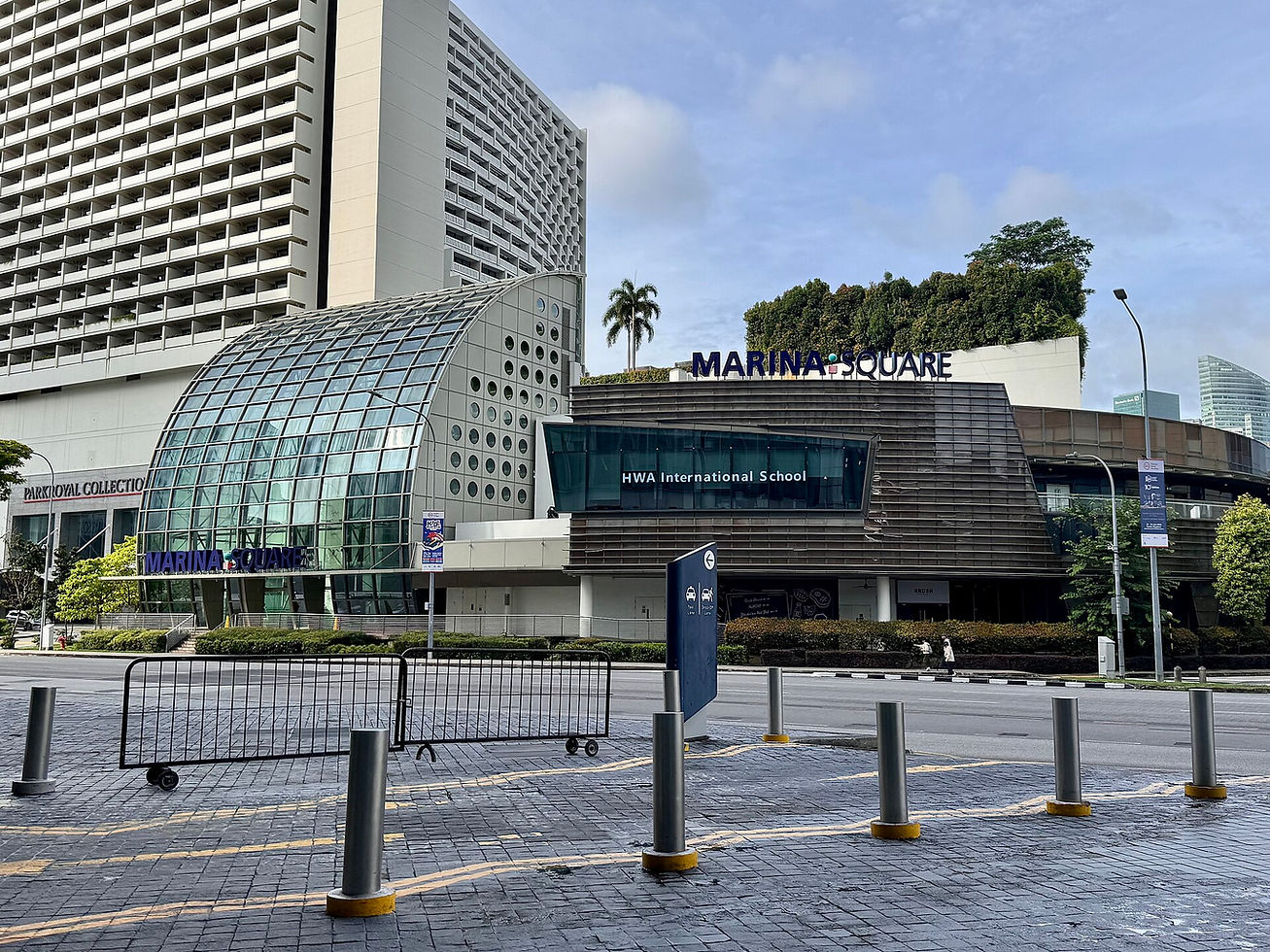
Marina Square Is Closing and Restaurant Leases Deserve a Closer Look

Updated: 1 day ago
If you are about to spend a substantial amount fitting out a restaurant, the lease deserves as much attention as the kitchen design. A good concept can survive a quiet month. Having to move the entire business earlier than expected is a much bigger problem.
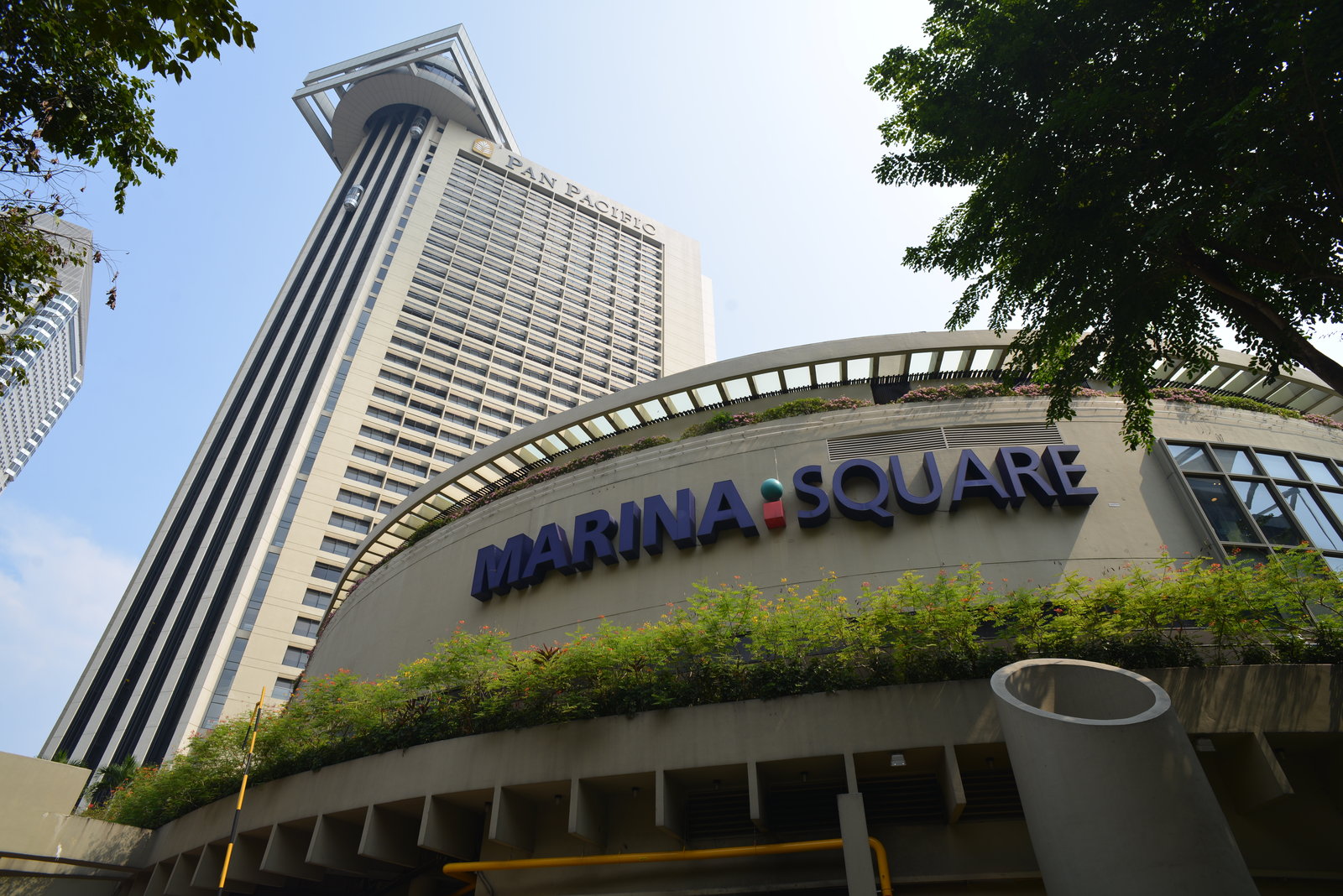
SingLand's 1 September announcement says Marina Square Shopping Mall will close on 31 March 2027 for redevelopment, with completion expected by 2031. The three hotels on the site, Pan Pacific Singapore, PARKROYAL COLLECTION Marina Bay and Mandarin Oriental, Singapore, will continue operating during the works. For restaurant operators in the mall, the immediate issue is the time available to find and prepare another suitable location.

The announcement also gives any tenant considering a new F&B lease in Singapore a good reason to ask some harder questions before paying a deposit. I raised a similar point when Plaza Singapura announced its S$160 million revamp: a fit-out has to pay for itself within the time the lease actually allows.
Put your renovation budget beside the F&B lease
A landlord's ability to end a tenancy early can change the economics of the whole outlet. I would want to understand the redevelopment provisions, the notice arrangements and what happens to the tenant's fit-out investment. The remaining lease term alone may not tell you how secure your occupation is.
The Code of Conduct for Leasing of Retail Premises sets out leasing principles for landlord pre-termination due to redevelopment in qualifying retail leases. Check with your legal adviser how the applicable provisions work with the actual agreement, including any proposed deviations. A general assurance that the landlord has no immediate plans is a poor basis for a large capital commitment.
For illustration, a S$300,000 fit-out spread over five years represents S$5,000 a month of capital recovery before financing. If the available trading period becomes three years, the same amount needs to be recovered at roughly S$8,333 a month. That is a simplified calculation, but it shows why the permitted operating period matters so much.
A replacement restaurant takes time to prepare
Finding another unit is only the first step. The premises need to suit the concept, and the approved use, kitchen infrastructure and proposed works need checking. Contractors, equipment orders and the relevant applications also have to fit the relocation schedule.
I would work backwards from the date the old outlet must close. When does the new landlord hand over possession? How long is the fit-out period? Can both locations overlap long enough to make the change manageable? If there is a gap, what happens to staff, regular customers and bookings already accepted?
There may also be reinstatement work at the existing unit. Budgeting only for the new restaurant can leave a business short of cash precisely when it needs the most flexibility.
A lower asking rent is attractive, although an unsuitable kitchen or difficult delivery access can absorb the saving quickly. Walk through the operation from receiving ingredients to collecting takeaway orders before deciding that a replacement unit is good value.

Make the next commitment easier to carry
A relocation is a chance to reconsider how much space the business needs. Perhaps the dining room is larger than the concept can consistently fill. Perhaps preparation takes up valuable customer-facing space. Those questions deserve an honest answer before recreating the same layout elsewhere.
I would also be careful about paying a takeover fee simply to move faster. The value is in equipment and infrastructure that suit the incoming operation, supported by inspection and a workable lease. My earlier article on restaurant takeover fees covers that assessment in more detail.
The location deserves the same discipline. When DP Architects and PSB Academy were reported to be planning moves out of Marina Square, I looked at what those moves could mean for lunch trade in Paya Lebar and Tai Seng. A neighbourhood story only helps if the specific unit sits on a route customers actually use.
For an operator searching for new premises, bring the intended menu, renovation budget and required opening date to the first discussion. They narrow the search far more effectively than a preferred postcode. The aim is to secure a unit the business can open on time and afford to operate throughout its agreed tenancy.
Sources
Cover photo: Marina Square, May 2026, by TenthAvenueFreezeOut, CC BY-SA 4.0, via Wikimedia Commons.



Comments